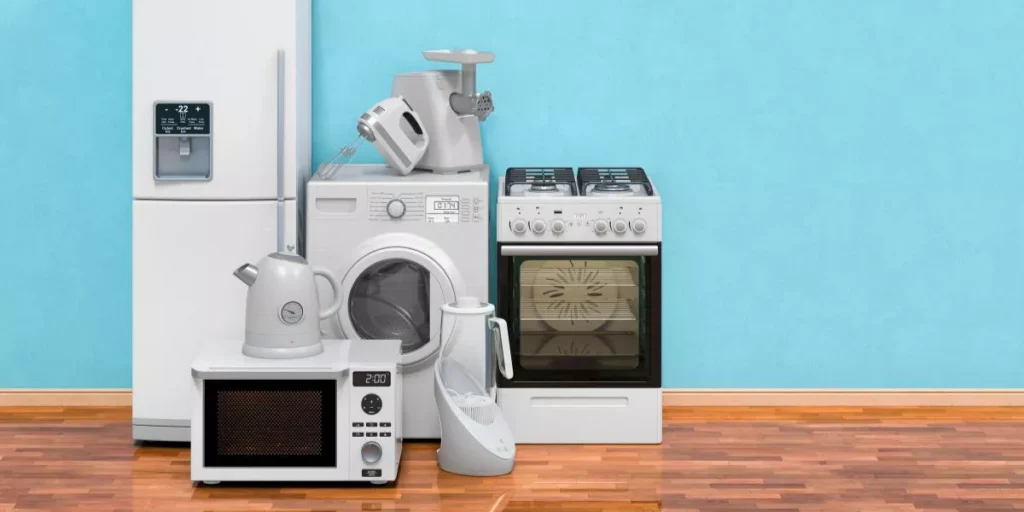
When it comes to outfitting your kitchen with energy-efficient appliances, the choices you make can have a significant impact on your household’s energy consumption. Selecting the most energy-efficient kitchen appliances isn’t just about being environmentally conscious; it can also lead to noticeable savings on your utility bills over time. So, which appliances should you prioritize to create a more energy-efficient kitchen? Let’s explore some key options that can help you make informed decisions and optimize your kitchen’s energy efficiency for the long haul.
Refrigerators
When shopping for energy-efficient kitchen appliances, you should consider upgrading your refrigerator to a newer model. Newer refrigerators are designed with advanced technology that significantly reduces energy consumption compared to older models. Look for refrigerators with the ENERGY STAR label, indicating they meet strict energy efficiency guidelines set by the Environmental Protection Agency. These refrigerators aren’t only better for the environment but can also save you money on your electricity bills in the long run.
Consider the size of the refrigerator carefully to ensure it meets your household’s needs without being too large and wasting energy. Additionally, features like adjustable temperature settings, energy-saving modes, and proper insulation can further enhance the efficiency of your refrigerator. Keep an eye out for models with LED lighting, which is more energy-efficient than traditional lighting options.
Proper maintenance, such as regular cleaning of coils and door seals, can also help your refrigerator run more efficiently. By investing in an energy-efficient refrigerator, you can reduce your carbon footprint while enjoying the benefits of lower energy costs.
Dishwashers
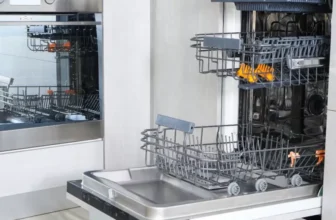
Upgrading to an energy-efficient dishwasher can significantly reduce water and energy consumption in your kitchen. When shopping for a new dishwasher, look for models with an ENERGY STAR certification. These dishwashers are designed to use advanced technology that minimizes water waste and energy usage while still effectively cleaning your dishes.
Energy-efficient dishwashers often have features like soil sensors that detect how dirty your dishes are and adjust the water usage accordingly. They also have efficient spray arms and filters that ensure dishes are cleaned thoroughly without the need for multiple wash cycles.
Additionally, consider the size of the dishwasher you need. Purchasing a dishwasher that fits your household’s needs can prevent wasted water and energy on half-empty loads. Compact or drawer dishwashers can be a great option for smaller households, while larger families may benefit from a standard-size dishwasher with adjustable racks to accommodate more dishes in a single cycle.
Ovens
Investing in an energy-efficient oven can significantly reduce your kitchen’s energy consumption while still providing reliable cooking performance. When choosing an oven, look for models with features like convection technology, which circulates hot air for faster and more even cooking, reducing the need for preheating. Self-cleaning ovens with better insulation can also help conserve energy by retaining heat more efficiently.
Opt for ovens with energy-saving modes that adjust temperature and cooking times to minimize electricity usage. Additionally, selecting an oven with the right size for your needs can prevent unnecessary energy waste. Remember to properly maintain your oven by regularly cleaning it, checking the door seal for any gaps, and ensuring the temperature sensors are working correctly.
Cooktops
To continue optimizing your kitchen’s energy efficiency, consider the impact of your cooktop choice on electricity consumption.
When selecting a cooktop, opt for induction cooktops as they’re highly energy-efficient. Induction cooktops use electromagnetic technology to directly heat pots and pans, wasting minimal heat compared to traditional gas or electric cooktops. They heat up faster and provide precise temperature control, reducing cooking times and energy usage. Additionally, induction cooktops cool down quickly once the pot is removed, further saving electricity.
Another energy-efficient option is a gas cooktop with sealed burners, which prevents heat loss and ensures more efficient cooking. Gas cooktops provide instant heat and precise temperature control, allowing you to cook efficiently with less energy consumption. Regular maintenance of gas burners to ensure they’re clean and properly adjusted can further enhance their energy efficiency.
Trending Products